Page 27

#CdnCult Times; Volume 6, Edition 6: CRITICISM

“When it doesn’t suck, it blows.” Best worst-review I’ve ever gotten.

We can’t help it, theatre makers have a symbiotic relationship with critics. We need their previews and reviews to sell tickets to our shows, and to sell our shows to presenters. There are cities in this country where a good review can make a show, and there are certainly cities where a bad review can break it.

Critics are ambassadors (like it or not) bringing theatre to the general public. What is their role in the changing media landscape?

As newspapers struggle to redefine their niche in the digital age, column-inches devoted to the theatre are disappearing – are the educated individuals writing those columns also endangered? Arguably, the art of criticism itself is threatened, at the same time that platforms for publishing reviews online is burgeoning.

In this issue, Vancouver actor, writer and professor, Jerry Wasserman writes about his work as a critic over the years, moving from radio to print to a self-published website. Eric Coates describes his efforts to improve the quality of discourse from reviewers as well as the better defining the relationship between critics and the Great Canadian Theatre Company. And finally, #cdncult Editor-in-Chief Michael Wheeler challenges the Toronto Theatre Critics Association to join the wider community’s efforts to better reflect the diversity of Canadian experience within its composition.

As it happens, this is a task we at #cdncult failed at in this issue. Instead we have three smart, white dudes talking about theatre criticism.

We can do better.

And we will, because ultimately, the value of criticism within the theatre community is to promote analysis and discourse about the work towards improvement of the work. And like any discourse, conversation is enriched by the variety of voices that contribute to it.

An open letter to a community enraptured by open letters

Dear Letter Writers,

Piss off, and fade away.

An open letter is a very valuable thing. But when it’s overused it just comes to mean nothing. When a media service publishes an open letter, it is for the purpose of dissemination to a wide community. The idea being, concerned citizens are given the chance to publicly address the targeted recipient in the purview of a larger public. This may then force a response from that recipient. For example:


An Open Letter to Coca Cola,

You’re evil. Stop privatizing water.

Sincerely,

A Concerned Citizen


A Response:

No.

Happy Holidays,

Coca-Cola

P.S. Ho Ho Ho ©


So, an open letter can be used to make a statement. The powerful body’s response (or lack there of) will, at the very least, colour the overall picture of that recipient in the views of the larger community of readership.

So, why are open letters becoming so prevalent?

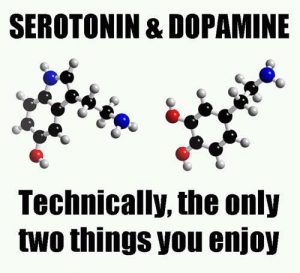
I wonder about this. Maybe we’re all just angrier. There is a lot to be angry about… but what if there’s not actually more to be angry about? So here’s a stab at what I think is going on:serotonindopamine

There’s a science to “why we post.” Supposedly, it’s a dopamine rush. Any old post, when it’s “liked” or “favourited” – it gives a sense of validation. And actually causes a small neuro-synaptic rush. It’s the same kind of thing that happens when you express your outrage of something in your life to a friend, and they say: “You are so right.” So that’s all well and good, right?

Well, not really. As it turns out, the more we do this – the more validated we are constantly – the more we crave and demand it. A lack of validation, or worse yet a criticism, starts to cause us irritation. Gradually, it makes us less tolerant of opposing views, and it even can transfer to an increase in “real life” micro-aggression, or anxiety. It’s like an addiction. And that also means part of the picture is dependence and withdrawal.

Dead Letters and Live Artists

While there are certainly exceptions to the rule, in general, I feel that open letters by (and perhaps more apt would be between) theatre artists seem counter to the art from. What is theatre, if it’s not a forum for the exchange of ideas? A performance is live – and that’s what makes it dynamic. Likewise, conversation is live.

To delve into a little bit of Kantian Aesthetic thinking – if we consider the binary of concept vs image – theatre is image. It is the liveness itself that keeps it as such – an ever moving and malleable thing between the performer and the audience. It’s affective less than intellectually finite. Open to interpretation.

The opposite of image is “concept” – which is a known. A dead letter. The imag(e)inative potential of a concept is basically nullified by the existence of the concept itself. Concepts are useful in terms of stepping stones to a larger imaginative idea. They are the roots we can grab hold of while we topple blindly down the cliff face of imagination.

bannerspiderweb

Theatre, live performance, whatever it is we do… is like a village square. To extend the metaphor – an open letter is a fortress. A fortress constructed and crafted from an often well researched argument. It conceptualizes its statement and works to create barriers – or castle walls – to any disagreement. It’s almost totalitarian in that way, whereas the city square is relatively democratic. I don’t want to come to your castle to be lectured at – it’s pointy and cold. I’d rather live in the village square. And the reason? Because there, we talk.

An open letter side steps conversation. It allows its audience to take a somewhat removed objective stance and say whether they agree or disagree with the concepts put forth. Meanwhile, that same audience can distance itself even further by responding in similar letters – rather than doing something crazy like talking to someone about it. Maybe even talking to the writer. And why would you want to talk to the writer anyhow? They’ve said their piece, and often when someone disagrees or “denies” them that requested dopamine satisfaction – they get angry.

As live artists, we have the capacity to make statements in real life. We have platforms. We’re generally pretty ahead of the game in terms of rhetoric. When we sit in our fortress of solitude and make statements – we are prescribing a wavelength and trying to force others to accept it rather than jamming on an idea. It’s not necessarily malicious. But I do think it’s lonely. And that makes me concerned.

Look, if you wanna say something controversial, progressive, accusatory or perhaps even offensive – go right ahead. But please face me when you say it, and know that you very well may be challenged. And you’ll be challenged in front of everyone. And there, in front of a community you would otherwise write to from a safe distance, you can confront your opinion and try to justify it, or you can learn to listen.

Understand, it’s ok to be wrong. All you need to do is listen, hear, consider, and say “Oh, right. Yeah, I was wrong.” Or say “I’ve listened, and I still don’t agree.” But say it. Don’t be an isolated indisputable concept. Be an image. Let me see the image of someone who is hurtful and uninformed negotiate how they must now share space with the people they just pissed off. That’s interesting. And maybe, just maybe by hearing the genuine inflexion in someone’s voice, or seeing the immediate facial reaction, or feeling the way the tone shifts in the room will at least give perspective as to why they don’t like what you’re saying. Or why you’ve just said something they needed to hear.

The more we rely on these open letters, the more we choose to broadcast rather than engage, the more we distance ourselves from the actual importance of the art form we work with – we are abandoning the medium of liveness. So let’s do something radical. Let’s try being in the same room. Let’s try talking to each other. And let’s make mistakes.

Good and Never Good Enough

NYE
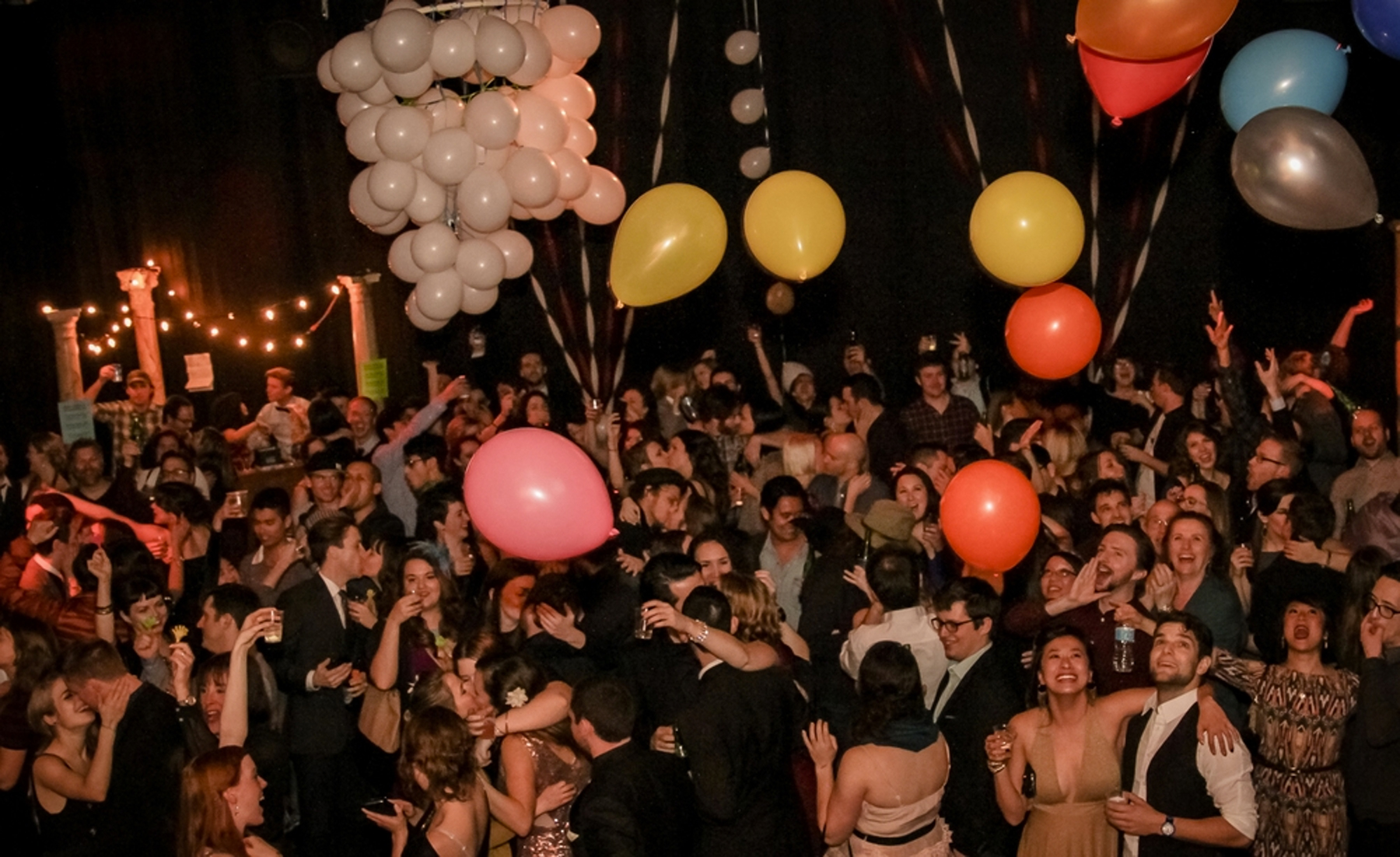
Photo: Matt Reznek – Bold Rezolution Studios.

I always thought I knew what it meant to be ‘good’.  When I was little, I was always the kid that helped wash the paint trays, stack the chairs, and put the books away.  First one to run back to class when we heard the bell ring after recess.  So, obviously, I loved New Years resolutions – a framework that allowed me to pledge to be not only ‘good,’ but ‘better.’  As a rather single-minded young(er) artist, I can tell you for sure that every resolution I’ve had since I was 9 years old was about theatre.  In lieu of whatever else 9-year-olds make resolutions about (do they even make resolutions?  Is that a weird thing for a kid to do?) I resolved to sing better, read more plays, get the lead in the fall drama show.  None of that changed through high school and into theatre school.  Every year at midnight I pledged myself to work harder, be better, know more, do more.  I had learned what it meant to be ‘good’ – to be well-behaved, disciplined, focused, and technically proficient.  I wanted to be better.

Many of my resolutions had a lot to do with what I thought an actor should look like and how I thought they should behave.  As a young actor starting off in musical theatre, I bought wholesale into the concept of ‘type’.  You could be categorized and find your place in the canon easily. Better to know it and accept it now rather than be surprised later.  You were either a Laurey or an Ado Annie.  Either Hope or Reno Sweeney. Maria or Anita.  And the worst thing is, I don’t remember anyone telling me this.  But I do remember looking at who I (consistently) saw on stage and who I saw in the mirror, and decided that I needed to change.  I bought into this while simultaneously believing that in ‘real life’ it would be offensive and absurd to determine a person’s qualities by their physical appearance.

How did I make sense of that blatant contradiction?  I guess it is because I also believed that a good actor was rigorously disciplined and faithful to the hierarchy of the industry.  I leaned on that hierarchy for support while I struggled to make sense of how things ‘worked’.  In my quests to figure out if I was an ingénue or a wacky supporting lead, I never considered the third option: burn it down. Start again.  I like that one better.

I will forgive you for rolling your eyes at me if you figured this one out years ago, but since I really just got here, I reserve my right to naiveté.  Or at least to admit that I only recently figured out that it’s all broken.  It doesn’t work.  These systems don’t make any sense because they’re catered to nonexistent binaries and assumptions. Let’s be real – through a dozen open letters, through too many shocking statistics, through a thousand conversations in theatre lobbies and bars, we’re confronting a Canadian Theatre with a desperate problem of exclusivity (and don’t think for a moment that I don’t know that these conversations were happening long before I was stacking chairs in my primary school classroom).  I grew up in a theatre that ignores people of colour, people with lived experience of disability and who live with labels or diagnoses.  A theatre that minimizes or erases the narratives of people integral to the communities they call home.  And then, for me, the hardest part of all: that despite 17 years of New Years resolutions, I still didn’t know how to be ‘good’.

‘Dismantling the systems of oppression at work in our daily lives’ is not the kind of resolution you announce to a room full of people before taking a shot of tequila.  These systems are embedded into our narratives, our language, and, on a more micro level, the way we work in theatre.  But this year my most joyous moments in rehearsal halls have been spent with people who have been excluded from this industry in terms of ‘type’, and in working rooms that have banished the ideas of hierarchy or a one-size-fits-all version of discipline and rigour.  I’m grateful to the many artists that have shared their point of view with me this year, helping illuminate how exclusionary many of our working practices and traditions are.

We are not taught how to be truly good.  But we have the power to change that.  Confronting that change requires the courage to know that for a while, I will never be good enough. I will make mistakes.  I will struggle to join discussions of critical race theory that are decades old.  I will discover that words I use almost daily are ableist in origin.  I will discover that that one time I subscribed to Eurocentric stock characters, I was not doing anyone any favours (especially myself).  And then I will feel terrible for a while.  I will feel like I will never be good enough.

And then I will get the hell over it.  Ironically, I know and welcome this feeling, because when I was a ‘good’ theatre student, I listened when I was told that in order to do my best work I had to become comfortable with ‘making a mess’.  In this case, my work is the immeasurably more intimidating work of creating a Canadian Theatre that is a welcoming, engaging place for all artists and audiences.  And ‘making a mess’ means slowly dismantling the systems of oppression that have made their way into my work, and accepting my inevitable failure to do so.  The stakes are much higher. But being ‘good’ has never been easy.  Knowing that for a while I won’t be good enough is not easy either.  As allies, we want our ally-ship to be as simple as our compassion, but that’s not the world we live in.  Embracing complication means embracing failure, and the willingness to continue on in humility and good faith.

So I promise to draw on the incredible generosity of the artists I’ve worked with this year to move forward as a more thoughtful, intuitive, and responsive artist and person.  To turn that anxious desire to please others into a more productive and progressive ability to improve the systems we work in (and for that matter, to reassure any young woman of the theatre who is sweating over whether to choose a party dress or a pencil skirt that soon enough none of that will matter anymore).  I’m grateful that I’m growing up, and growing out of the theatre I was raised in. I am grateful too for the many midnight resolutions that lead me to where I am today.  And so, although the foundations may have changed, the wish stays the same: when the clock strikes midnight, I’ll make the same resolution I’ve been making since I was a kid.  Please, let me be good.  Let me figure out how to be good.


You are not special

2401473931_32505efa09_o
Photo by Sage Ross. Licensed under Creative Commons.

A friend of mine turned to me and said: “Every thought I have, I immediately check the Internet to see who has thought it before me.”

This struck me hard. There was violence in it. How could a truly brilliant and highly accredited individual be so reduced by a few short clicks? Shouldn’t my friend be more confident naturally? Shouldn’t they simply know how great they are and leave it at that? But how can they know how swell they are if “knowing first” is where the glory lies in the knowledge economy? What should their strategy be for navigating the choppy waters of contemporary mores around thinking? What kind of solution might my friend find for allowing room to think without the fear of being out-thought? I mean… how are they to know how well they think if they are not on a top 10 list for thinkers for 2015?

If you did not know that others were thinking it, would it diminish you as much as it seems to do by knowing that others are thinking it? … I am asking for a friend.

Polish theatre maker Tadeusz Kantor said something that has stayed with me for years. Amid a completely unperturbed meander, he stated (and I am paraphrasing from memory) that he is the inventor of everything that he has not previously encountered. Even if the Internet were to have shown him that three thousand people have already done what he was attempting to do, it would be of no value to him. His mind and his muscles were free to roam the world without concern for doppelganger creators roaming it elsewhere, with similarly brilliant ideas. He remained confident that he was the inventor of his own creations. And, of course, he was.

He was born in 1918. It was a different time.

Today Kantor’s approach feels untenable; the world has become a funnel. Unless we approach our work and thoughts like the hermetic Unabomber then we will constantly discover how un-special we are. Indeed the spectre of the Unabomber’s freakishness, the danger of his singular vision, serves as a parable to keep us in the thrall of an ideology that seeks to reinforce the mono-chroming of all things.

Late-stage capitalism needs to make value out of everything it can. It demands that taste and/or popular vote determine the worth of invention. The market of creation is connected to ownership as much as it is to the creation itself. So if you don’t make it out of the gate first, then your idea – no matter how unique it is to you – falls into the waste bin of excessive notions.

So what is my brilliant friend to do when I know they are brilliant but they discover that they are not brilliant enough to be first?

Does being first even matter?

To say ‘no’ is to challenge the hierarchies of values imposed on us by neo-liberal thinking. Time is valued. Labour is valued. Information is valued. But what of emotion, impact, and affect? How do you weigh or place a monetary value on the effect a notion, idea or event has on an artist or audience?

And what of the tragedy that awaits if the stillborn idea, rejected as “derivative” or “unoriginal”, may have led the artist to the truly sublime original idea?

The difficulty we face as artists now is that we can easily access a living record of what everyone else is thinking and doing, along with what they have thought and done, and possibly infer what they will think and do. Not only do we need to do the every-day artist’s work of quieting our inner editor, we must also do that knowing that our ‘editor’ has the citations and evidence to back-up each and every critique.

Is it possible that originality is overrated? By yielding to the cult of being first, are we worshipping a false deity? Long-time One Yellow Rabbit ensemble member Denise Clarke once said to Adrienne Wong (who paraphrased from memory when she told me) that when the Rabbits discovered that other artists were working on the same material or ideas as them, the OYR ensemble didn’t take that as failure, but rather an indication that they were mining the right territory. Zeitgeist.

Which brings me back to my friend and their habit of holding new ideas up against the immense record of creativity that is the Google Search…

Stop checking the internet. But if they can’t… resolve to be mid-pack with their thoughts and keep going. Finally, resolve to recycle rather than trash. Instead of “just because it’s been done before it shouldn’t be done again”, it is precisely because it has been done that it should be done again. The world is still round after all.

#CdnCult Times; Volume 6, Edition 5: BECAUSE IT’S 2016

If you are worried about things like Equity, Climate Change, Refugees, Data-based Decision-making, Electoral Reform, Missing and Murdered Indigenous Women and a host of other social justice issues – it’s hard not to feel like in Canada we are turning a corner at the end of the year.

When we look back on these halcyon Sunny Ways Days (aka before the inevitable fall from grace) the feeling can be encapsulated in 7 syllables from Prime Minister Trudeau on why gender equity was important in his cabinet (sparking a legit #cdnpoli Gangster Meme in the process):


Given this newfound optimism, we asked three Canadian theatre artists to reflect on their resolutions and hopes for 2016. In Toronto, Jiv Parasram makes an argument for this to be The Year of No More Open Letters. From Ottawa, Sarah Garton Stanley unpacks the nature of original thought in an increasingly online and connected era. Vancouver’s Christine Quintana reflects on resolutions past and her changing priorities as a socially engaged theatre artist in 2016.

What do you resolve to make happen next year? Because its 2016. *Drop internal gangster beat soundtrack*.

Adrienne Wong & Michael Wheeler
Co-Editors: #CdnCult V6E5

Renderrabbits 02 – On Going Analog, Death, Secret Tests, and Drawing in Public

Hi again. I’m still chipping away at this animation on my computer. I am installing it at the High Performance Rodeo in the first few days of 2016, so I am hustling to get it done! Today I will be writing about the first half of this project, which was all done on paper during an installation I did last year. The following is a condensed and reworked version of the original post I wrote about the project for my personal website.

***
renderrabbits-lightbox-photos40

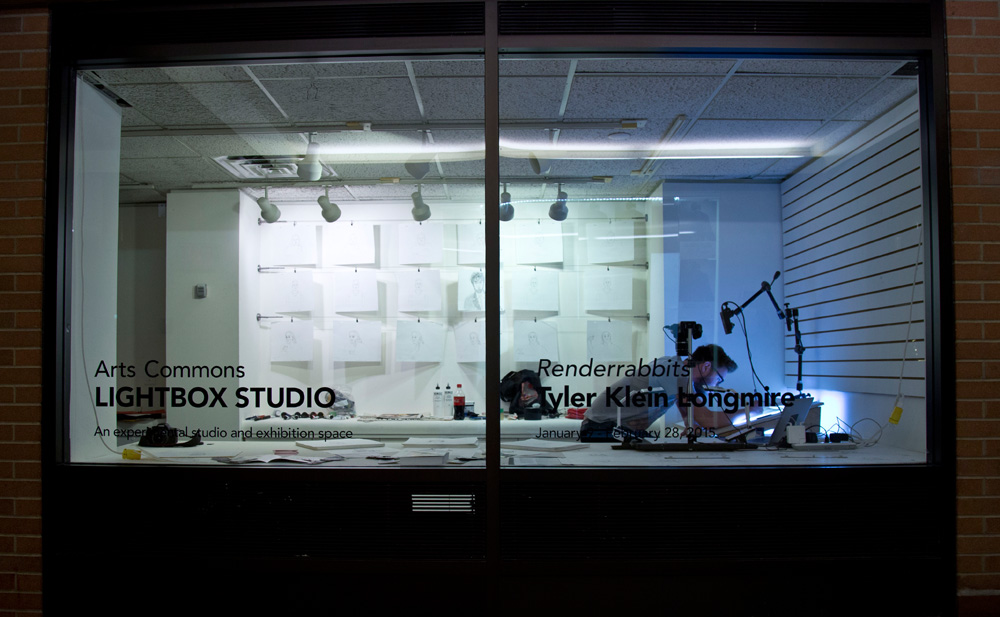
I was approached by Natasha Jensen at Arts Commons about a working studio exhibition in her new experimental gallery space, the Lightbox Studio. She asked if I wanted two months to use the space to work on a project in a public setting, where the people passing through the Arts Commons building downtown before shows, coming to and from work, etc. could watch me work through the windows of the studio. It was a great opportunity, and I liked the idea of a live drawing-performance over the course of two months. But what should I do?
renderfriends-rene-6sec-loop

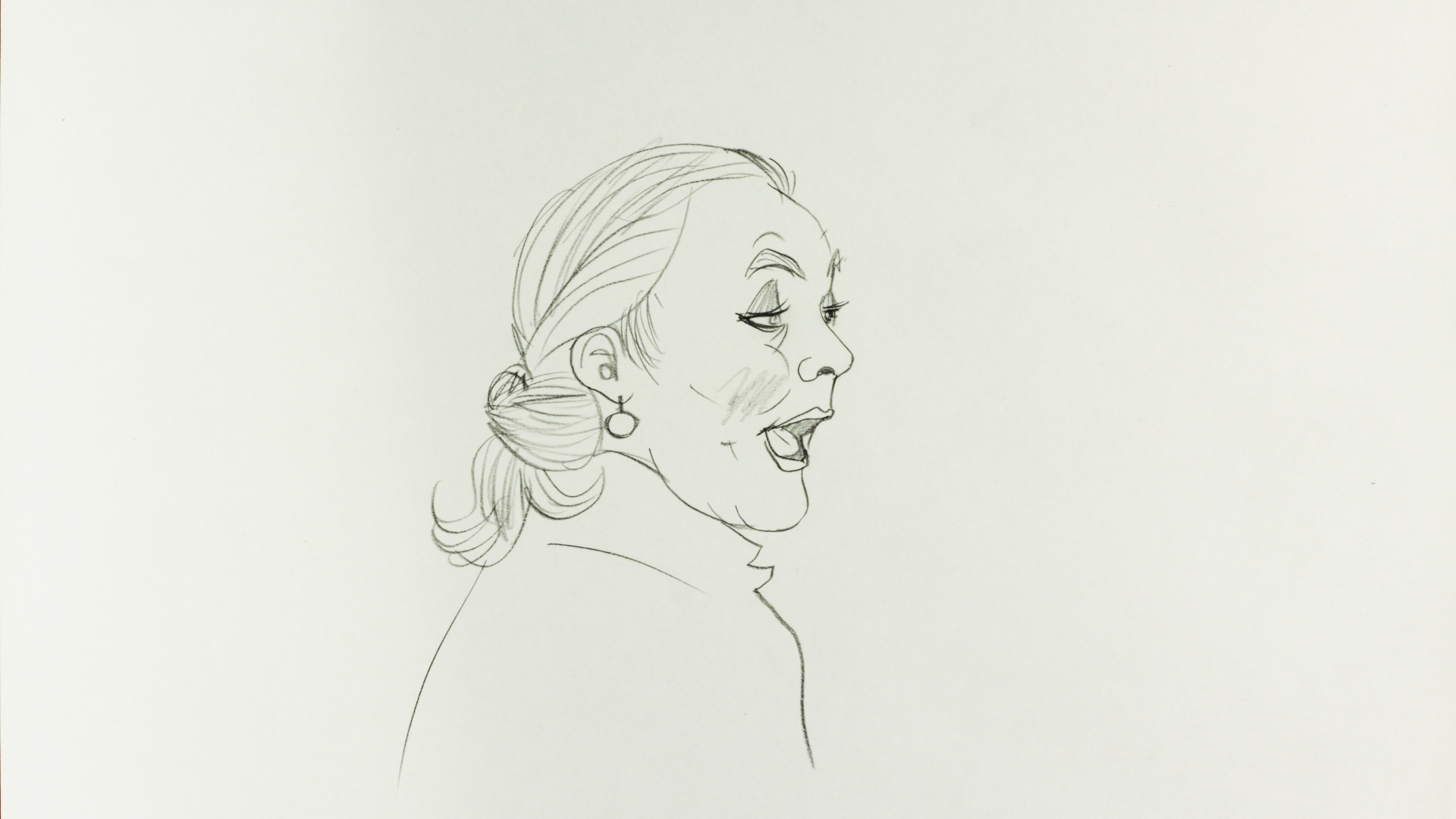
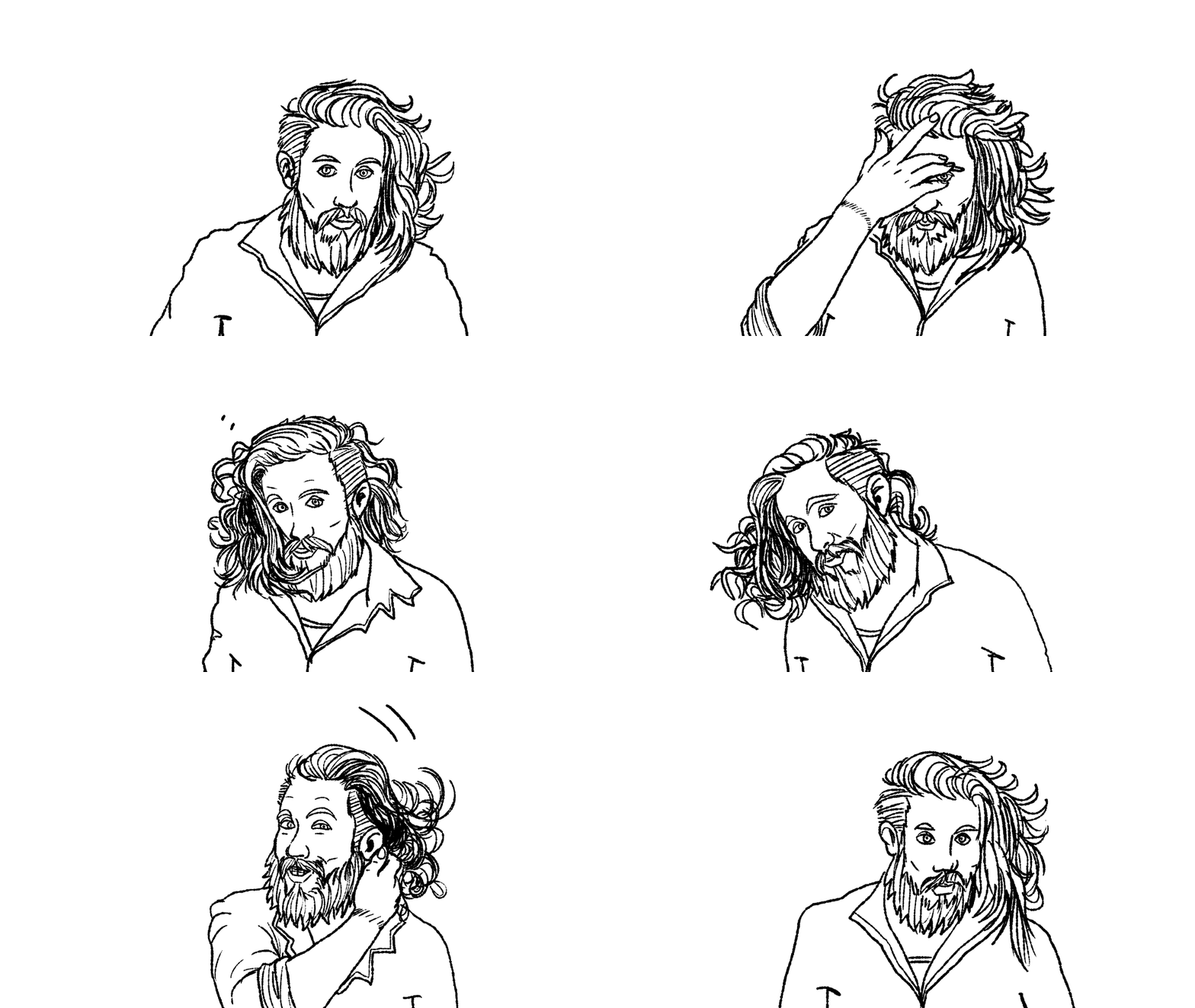
I made a short animated film called Renderfriends in the summer of 2014, it was these little looping animated portraits I made of my friends (this is my bud Rene Linares above.) I made it as a sort of experiment, and after the first film I was thinking about how to push it further. The idea was to animate portraits of strangers somehow, maybe inviting people off the street into the studio to film them, then present them with an animation once it was done… you get to know someone in a somewhat intimate way when you analyze and draw their facial expressions over a hundred tiny intervals.

Natasha and I were working this out when Richard McDowell of Calgary’s One Yellow Rabbit Performance Ensemble passed away in November 2014. It was a shocking loss to the community – Rico (as he was known) along with the other ‘Rabbits’ are much-loved and well-respected in Calgary and beyond. I didn’t know Rico very well, only having partied with him at the High Performance Rodeo or at various openings or closing events, but I was very much hoping to work with him someday and pick up a few tricks.

The Rabbits held a memorial for Rico in the Big Secret Theatre that he helped to build. I attended the memorial: the theatre was packed; the tributes were moving and impressive. It was strange to be on the periphery of such immense grief. Something I noticed was a communal reaffirmation that the Rabbits as a whole were Important – Rico’s loss was felt to extend to the Rabbits as a collective, that OYR needed to be mourned for as well. The Ensemble was just getting started rehearsals on a new show, ‘What The Thunder Said’, for the upcoming Rodeo – how would they manage without Rico’s music, his contribution, his presence, his friendship?

Watching the memorial, seeing the old video clips and pictures pop up on the screen in the Big Secret, I realized that the One Yellow Rabbit Ensemble should be my subject, the strangers for my animated portraits. It was perfect. They have very interesting faces to draw, and lot of character (or characters) to express. I wish I had the idea without it being prompted by Rico’s funeral, but there it was. It fit the exhibition, the Rabbits were on board, it was also the 30th Anniversary of the High Performance Rodeo coming up the next year and Michael Green encouraged me to finish it to be included in the festival.

So, the project: I’d film some screen tests of Denise, Andy, Blake and Michael a la Andy Warhol, pick some choice seconds and animate their portraits; dig thru their archives and home movies for some footage of Rico and animate that too; maybe find some bits from their performances to play with and rotoscope; and juxtapose it all together for a short film. I’d draw this all out during my Lightbox Studio exhibition in January and February 2015, finish it up in the spring, get it into the 2016 Rodeo. Perfect. Everyone’s on board. Contract signed. Let’s go!

***
Andy screen test - regular - 12fps 10sec 02-feb-15_00043

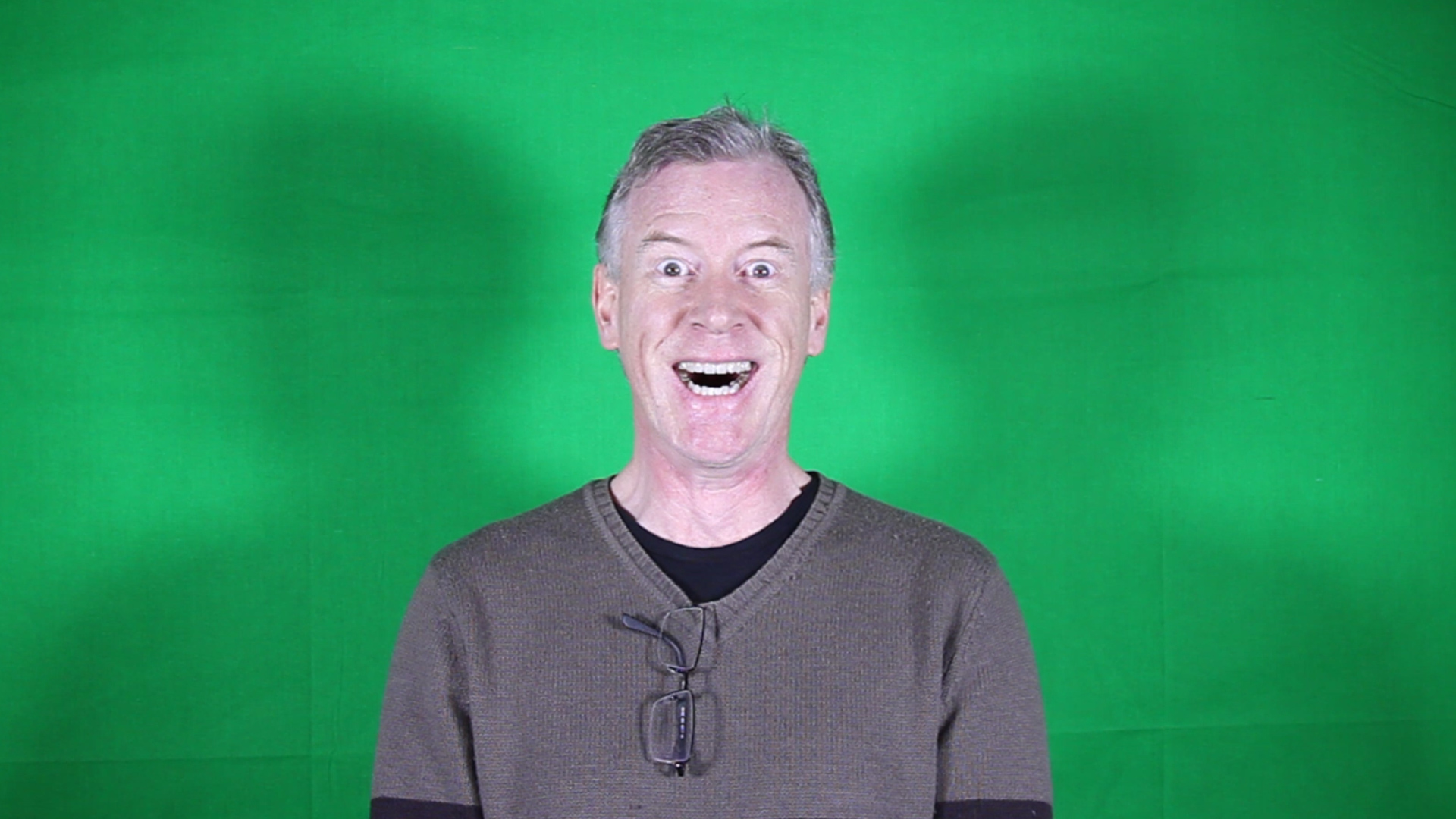
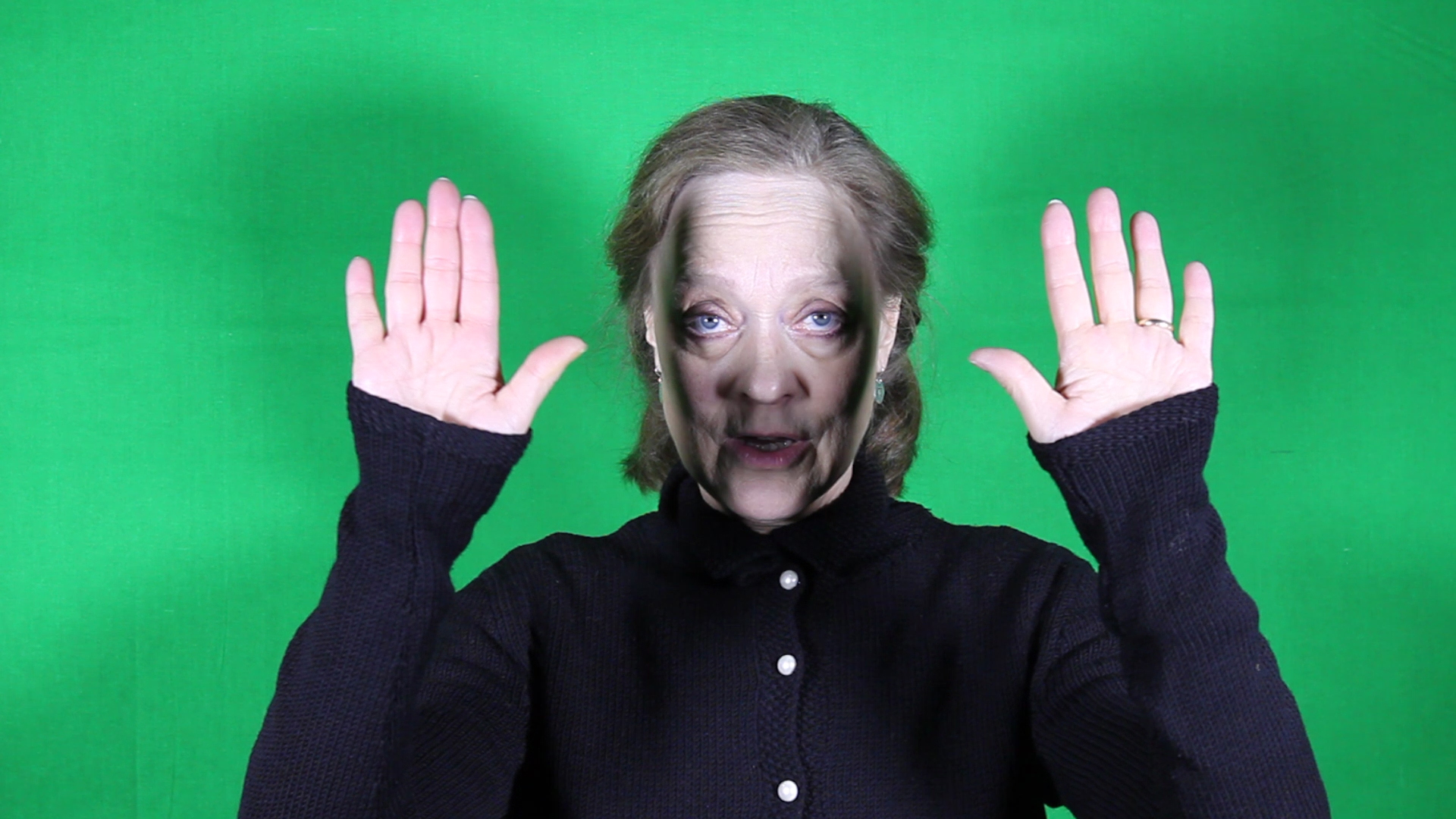
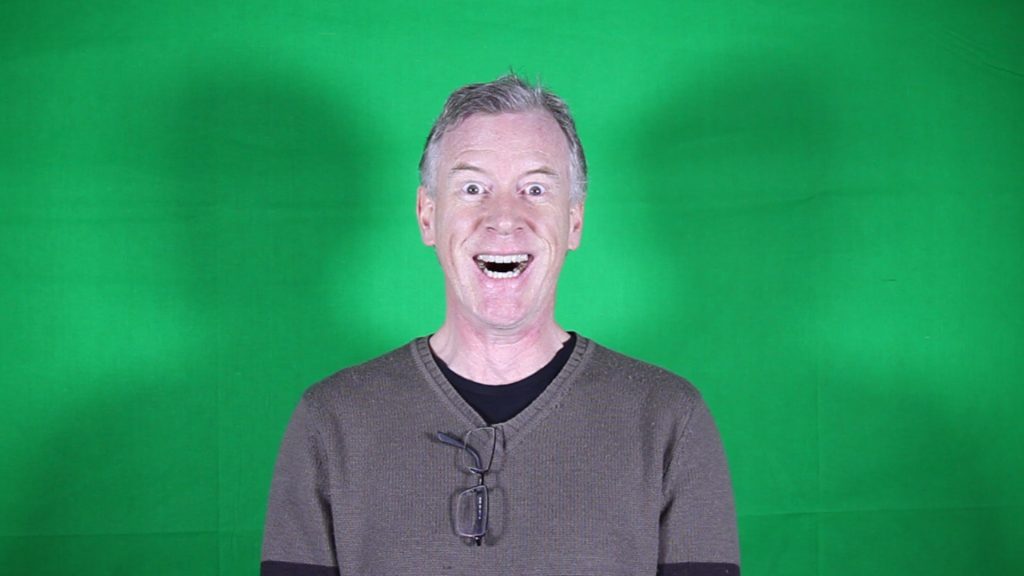
I set up a camera and green screen at the Arts Commons one afternoon in December and shot some screen tests of the Rabbits, a couple takes each. 15 minutes, 20 tops. I could only book Denise, Andy and Blake for that session – Michael Green wasn’t available that day, could we reschedule? Of course, of course, not a problem.

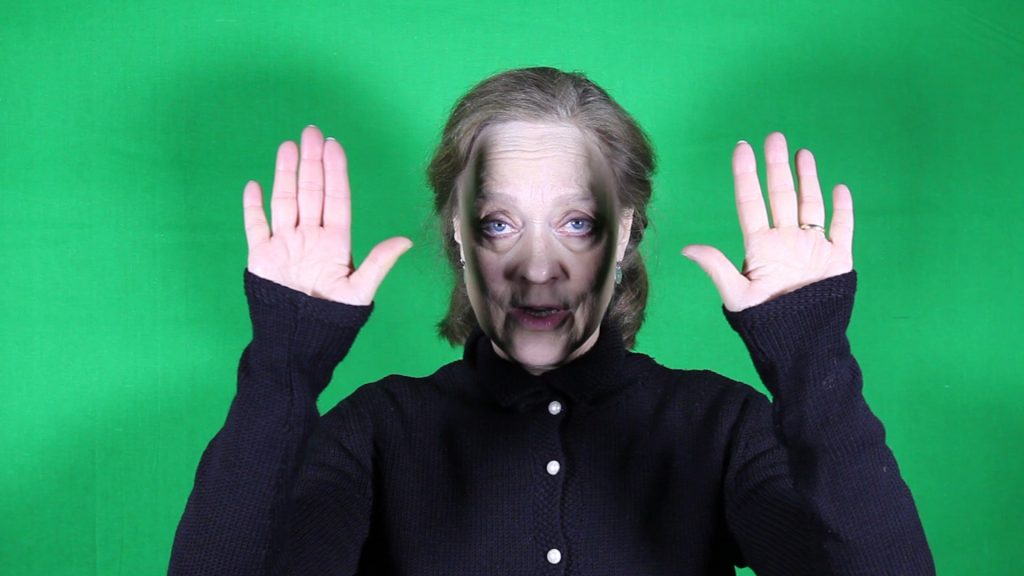
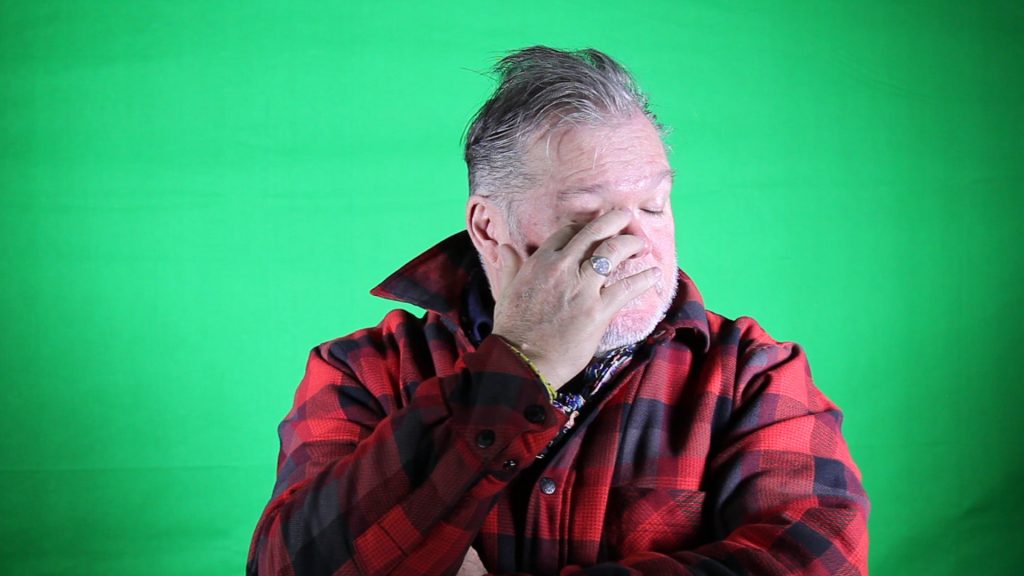
I got two takes from each of them: a ‘regular’ take, 5 minutes or so, where I was in the room with them, behind the camera; and a ‘secret’ take, another 5 minutes, where I let the camera run and left the room, just to see what happens. Schrodinger’s camera box. I didn’t look at the secret footage until I got home.

The takes where I was in the room were interesting. Usable footage for sure. Denise danced and moved around; Andy made jokes and funny faces; Blake talked.

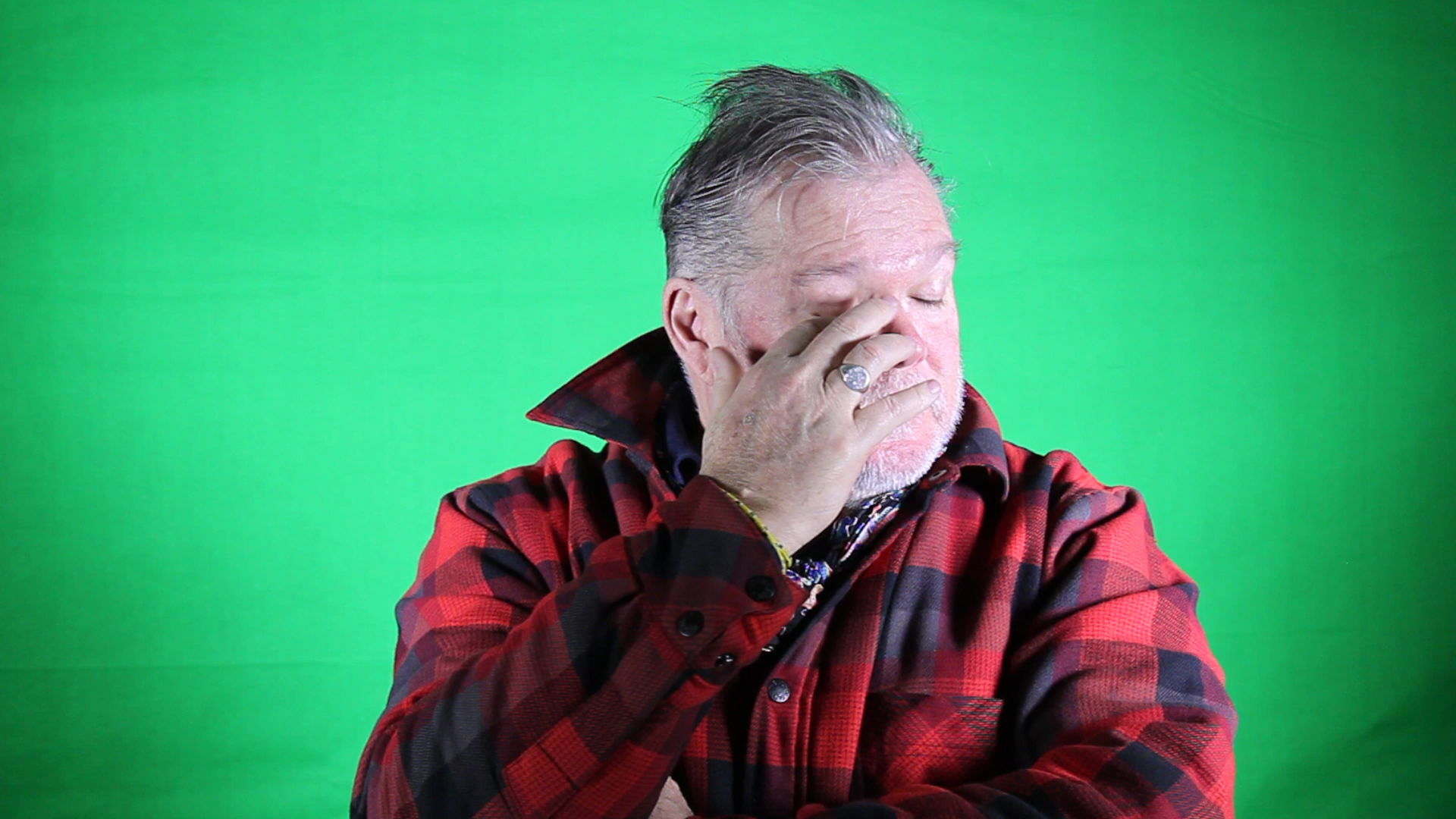
The takes where I left the room were heartbreaking.
Denise screen test - secret_3128

I think I caught them at a very particular moment, a little while after the passing of Rico, but not long enough since that they have had time to deal with his loss. I sort of forced them to take 5 minutes to themselves and contemplate. A camera test by yourself is a sort of meditation, and whatever you are thinking about will quickly come out. In their own ways, and to varying degrees, they all dropped the mask and became very emotional to the camera, it acting as a confessor of sorts. Or on the flip side, that they performed for me in a more raw, intimate, confidential way. I am not sure what the difference is anymore. The camera nullifies those sorts of distinctions.

Furthermore: I haven’t yet drawn a frame from these secret tests. To be honest, I am not sure what to do with it. It’s great, but… The footage was freely given, but it feels very special. At the time I was like “ayyy this project is getting heavy ima start slow”, and I am only now finishing up the first round of portraits, so maybe by the next post I will have figured it out.
renderrabbits-lightbox-photos69

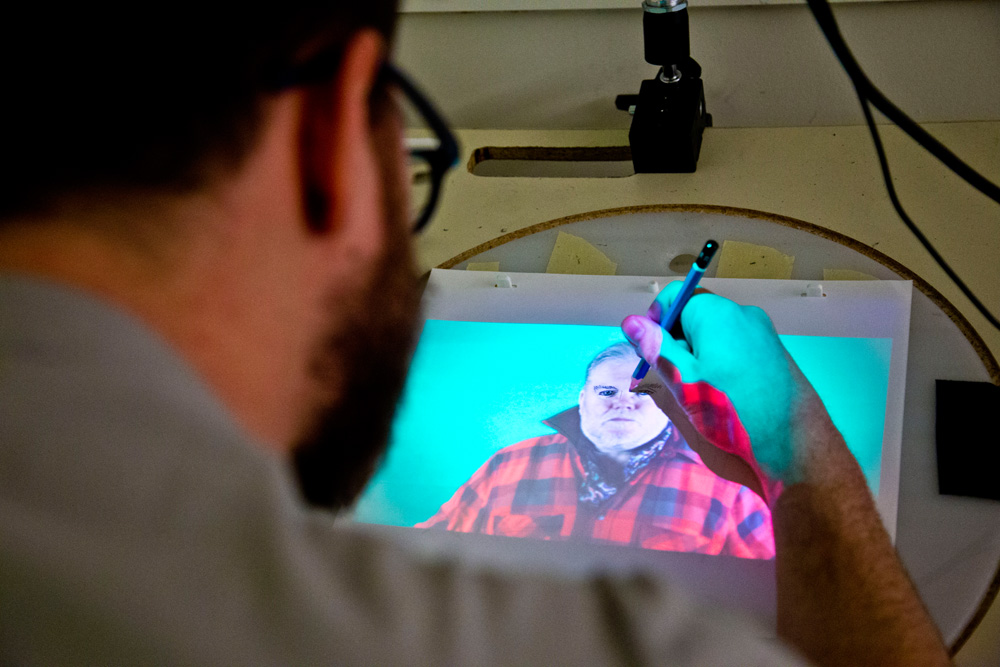
So my studio time rolls around. January 2015. I begin the project by finding 10 second clips of each happy shot to test the rotoscope process. I am working on paper, not digitally, so I had to rig up an animation table, a projector and camera station first. The process is an experiment too, so I wanted to start with some nice, cheerful, smiling Rabbits to get me going. I still had to get footage of Michael Green, but the High Performance Rodeo was on so I figured I would wait until February to bug him.
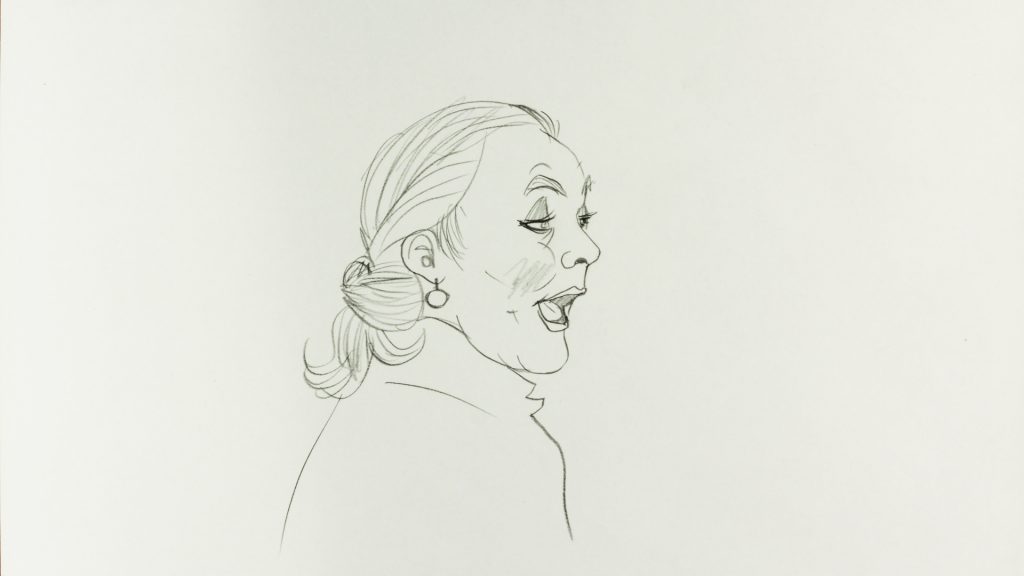
renderrabbits-denise-01

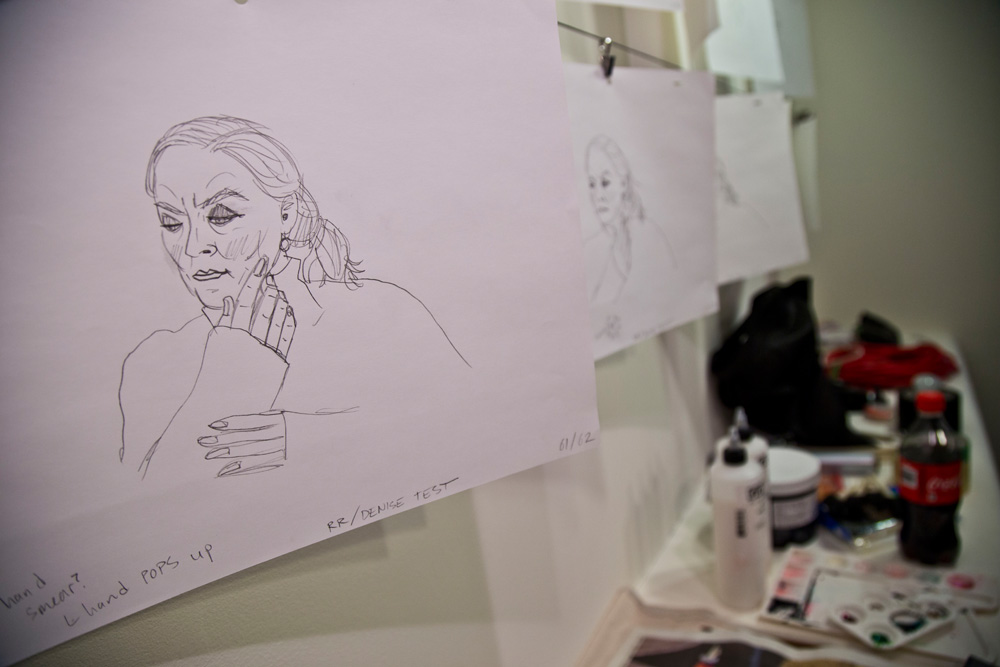
During this phase of the process I experimented with how exactly the projector and digital files should be calibrated, and how to render the drawings, and how consistent or inconsistent I wanted to be. Doing this on paper is a bit of a trip because I tend to work digitally, but I was really into physical materials in 2014 when this was coming together. I wanted to display the individual frames in a gallery context, so people walking by could see the animation creep along day-by-day as I hung up new drawings on the walls or by the windows.
renderrabbits-lightbox-photos29

Doing it more in a traditional animation technique – 2D on paper – seems the best way to go, even if it was a bit clunkier from a process point of view. It looked better. Part of the installation was a sort of performance. I’m the Artist on Display: Watch a Live Animator make a Cartoon! See His Astounding Drawings of Your Local Favourites! etc. I had to embrace that side of it. Drawing these on the computer would be faster, but it wouldn’t be an installation, and it would be way boring. Paper, dude! So January was mostly setting up and figuring my workflow and process out. By February I had Denise and Andy’s tests mostly done. Just gotta catch Michael now that the Rodeo is finished and draw draw draw!

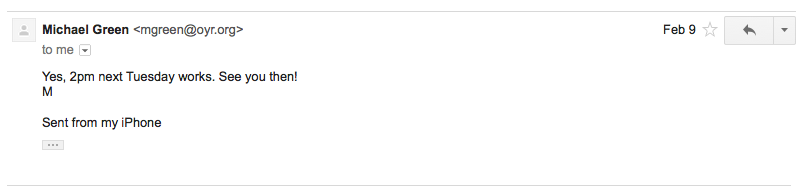
But then, another tragedy: on February 11 2015, Michael Green, alongside Blackfoot elder Narcisse Blood and artists Michele Sereda and Lacy Morin-Desjarlais, were killed in a car accident in northern Saskatchewan. It was a big deal.

I had a session booked with him for the following Tuesday.
Michael Green - last email to tk

God damn it.

We mourned; the city went all yellow, the obits came in from the Mayor, the Premier, the national and international press; there was a beautiful, gigantic memorial at the Jack Singer Concert Hall with attendance rumoured to outstrip the memorial of the late Alberta Premier Ralph Klein. His wake at the Legion after the service was a who’s-who of the Canadian arts scene. The outpouring of grief for Michael, who was truly a widely-loved, respected, and accomplished human, was incredible to see.
renderrabbits-lightbox-photos47

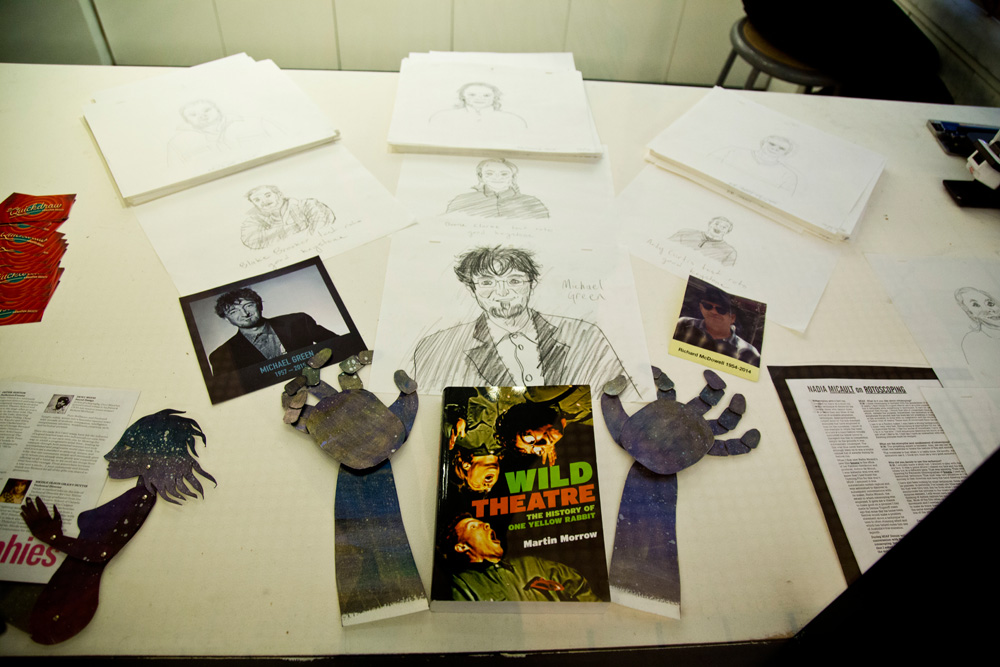
I had just finished the test of Andy when Michael passed. The studio was in the middle of Arts Commons, right by OYR HQ and along the way to the Jack Singer where Michael’s memorial was held. I drew a quick Michael or two to include in the installation, but I couldn’t turn my whole studio into a memorial (farther than it already was – oddly enough, I only have footage and only made paper drawings of the remaining Rabbits. The exhibition was more of a tribute to the living.) Even before Michael’s passing I was working to be respectful of their grief for Rico, so trying to Play The Artist drawing some soppy reactionary portrait while I’d get more IRL pageviews due to funeral #2 seemed really sleazy upon discussion with my friends. So I put down my pencil and watched. I went to the memorial; paid my respects to the rest of the ensemble; went to the wake; and re-watched my footage.

That’s the weird thing about this project – even though I have very little to do with the Rabbits on a day-to-day basis, through drawing them like this I feel like I get to know them exceptionally well. Only by drawing #50 do I feel introduced. I break down the tiniest movements of their faces – how do they blink, and how fast? Where are their cheekbones? What gesture do they repeatedly use? What 10 second chunk is really them – and in what aspect? I am appropriating their image – how vulnerable do I let them be? How sympathetic are these portraits? Is this just an intense visual hagiography? How much death am I going to acknowledge here?
blake-blog

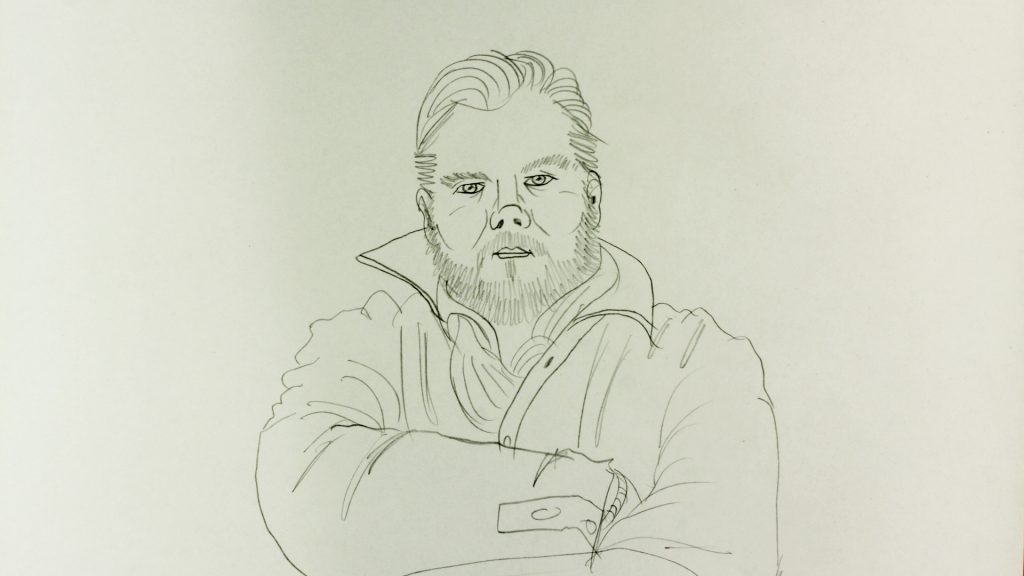
I was (and still am) thinking about all of this as I finished up in the studio with a test portrait of Blake. I watched him perform his duties through the funerals, media calls and public displays with grace and sincerity. I think I took more care with his portrait, chose a more contemplative, serious clip to rotoscope than I would have chosen before Michael passed. Context is really everything. The context for this project keeps changing. The whole shape of it constantly shifts around in my mind. The benefit to animation is that it is slow to make, so I have a lot of time to think about it before I have to make the next artistic decision.
Blake screen test - secret.MOV.Still001

The installation ended and I packed up everything. I intended to keep working on it, but just after a short break. Unfortunately my grandmother got real bad around this time too, and was starting to slip away from my family; at Quickdraw we were finishing up another animated tribute to the deceased Calgary musician Chris Reimer, so I switched into animating another project about a dead guy; it was a heavy brainspace. Once I was out of the studio this project just bummed me out. Then my grandma passed in July, and that took the wind out of my sails for dealing with any more grief/homage projects for the summer and fall, not until I handled my own. (Why am I putting the Rabbit’s grief on display, and not mine?) Some traveling and a couple fun light projects later, I’ve picked up the pencil again. Or rather, the digital stylus for my Wacom tablet. I think the material and my feelings towards it have breathed enough to start working again. Plus, hey, deadlines are a terrific motivator.

***

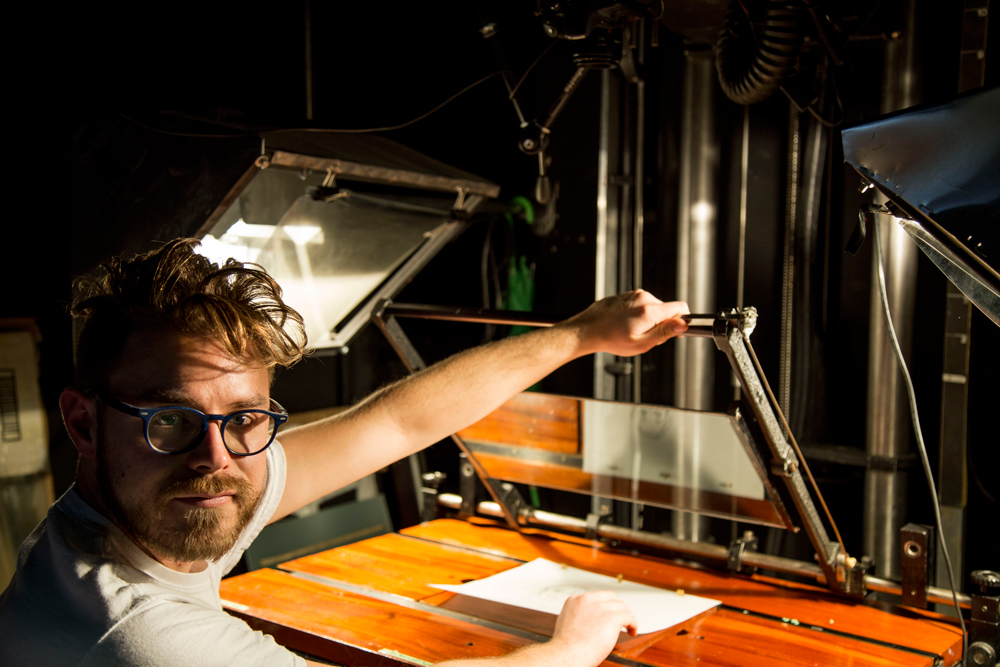
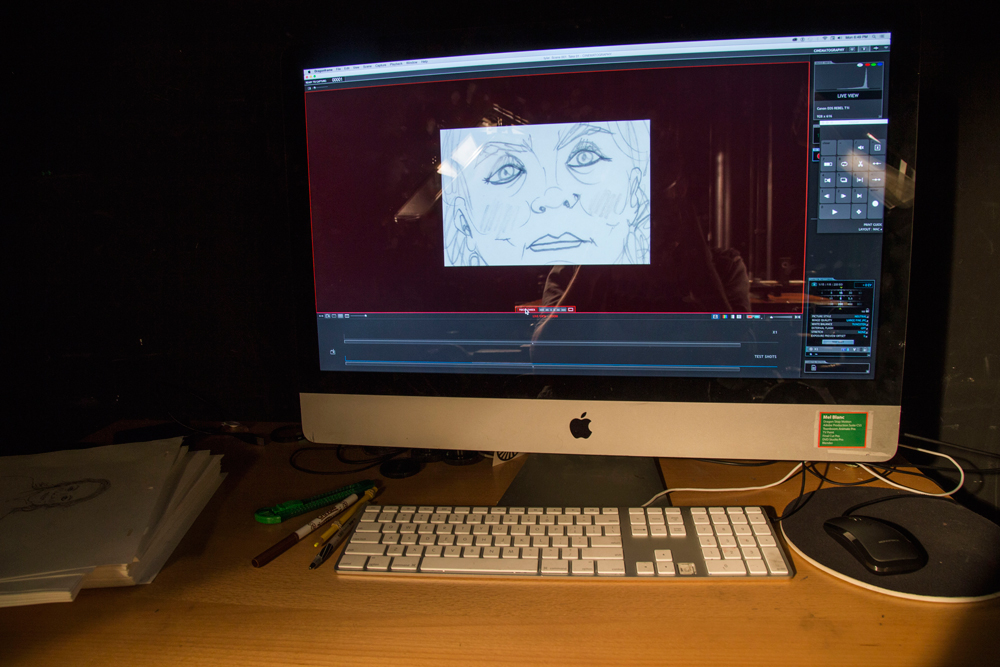
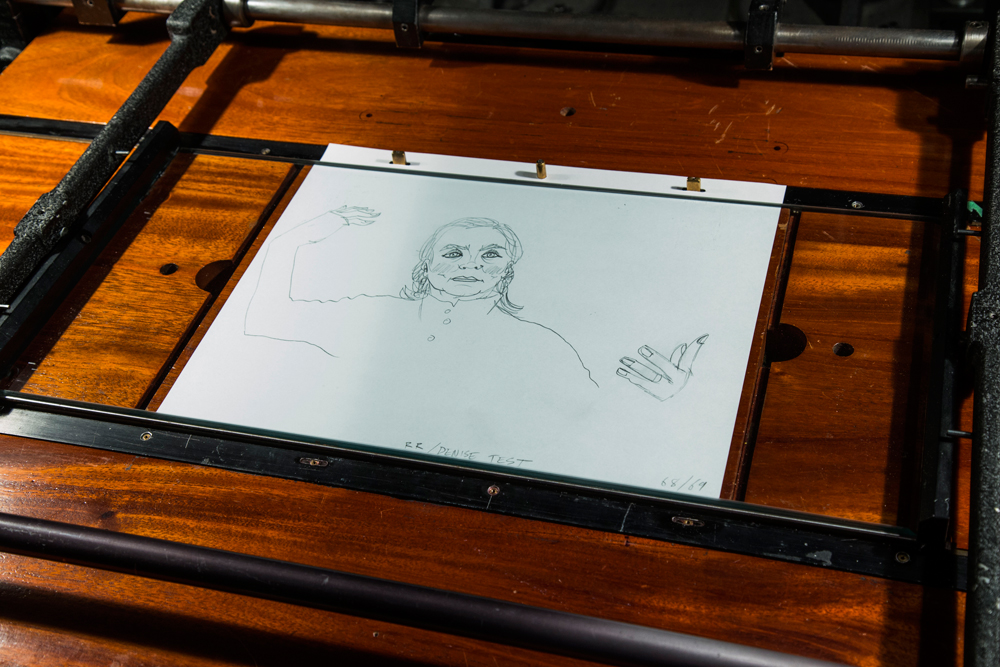
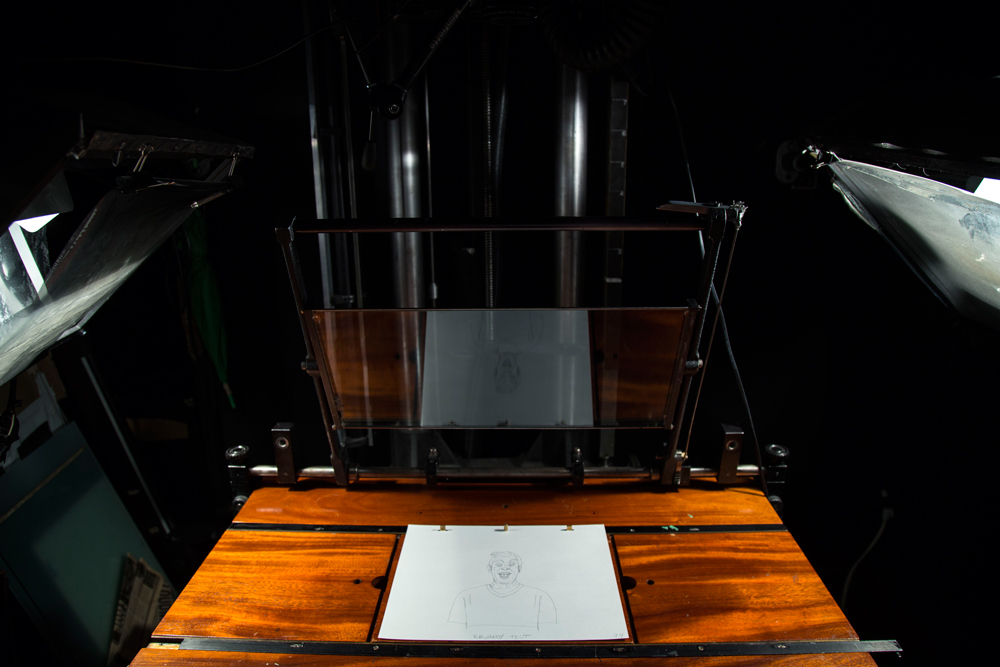
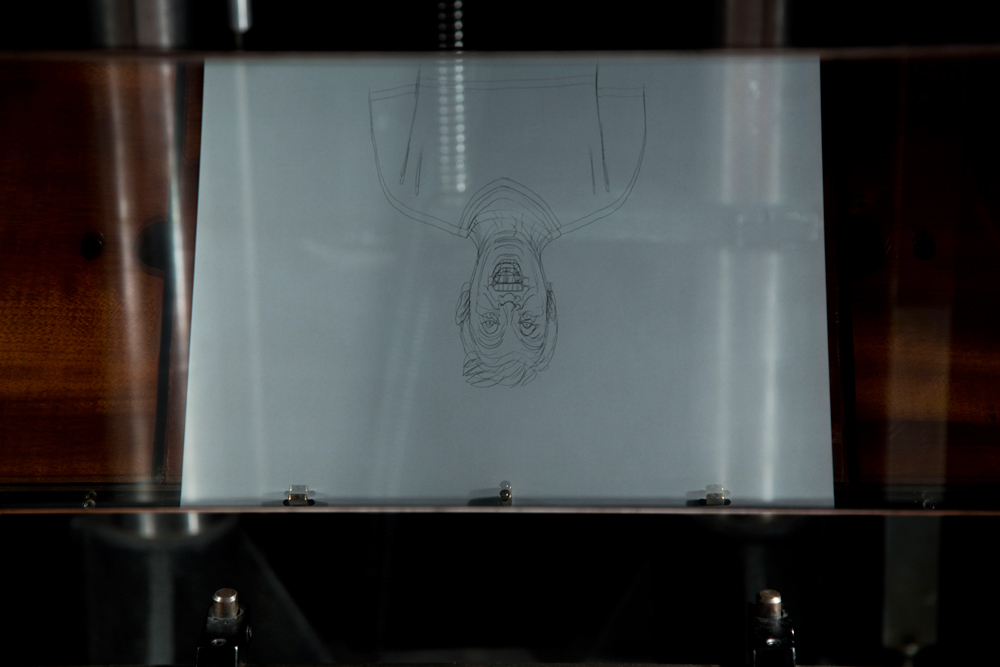
The thing about animating on paper is that you have to capture it with a camera somehow. I did some really rough captures during my installation, but the lighting was wonky and it wasn’t that great of quality. Luckily my work, Quickdraw Animation Society, has an awesome old animation stand we have converted to capture digitally that I used last week to finally get high quality, well lit, consistent pictures. I use this stand all the time, it’s great. There is even a glass platten to press down your drawings so they don’t get all crinkly. :3
IMG_0608

IMG_0603

IMG_0591 IMG_0571 IMG_0571a

I will probably have to return to paper to finish these up, but I might just cheat and do it on the computer. I don’t know how the real pencil and the Photoshop pencil will match up, guess I’ll find out!

All told I have about 400 drawings from the first half of this project, or about 30 seconds of material. :s

Anyway, back to it! I’m gonna finish up the installation version of this project by the New Year, so the next post will be about putting this all together and installing it at the Rodeo. Thanks for reading.

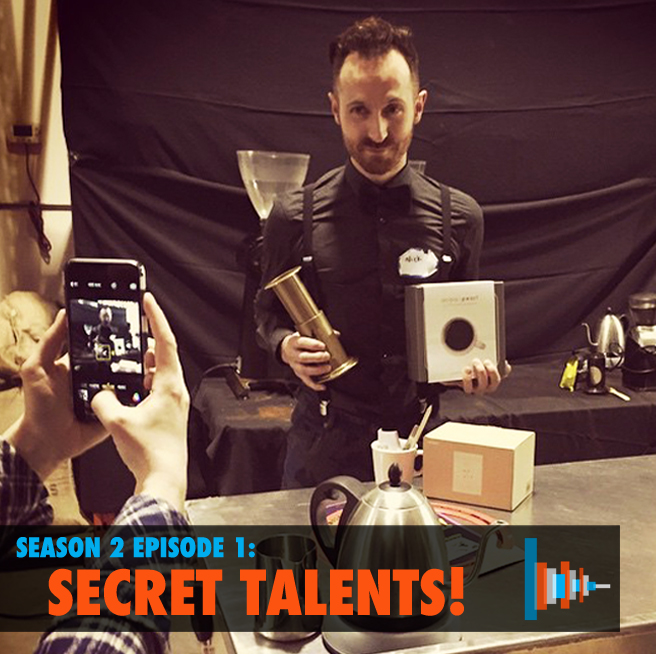
Season 2 Episode 1: Secret Talents!

S2e1

Welcome to Season Two of The Deep Field Podcast from Calgary. In our first episode, we celebrate the hidden, hard won and often hilarious skills, knacks, and know-hows that we all possess. Featuring the stories of a second-place aeropress world champion, a former Guinness world record holder, a high school drama class, a Governor General Award-nominated playwright, and a hive of busy bees.

What’s your secret talent?

Subscribe to The Deep Field Podcast on iTunes, and visit our website deepfieldpodcast.com

A watershed for discussion

Annabel in rehearsal
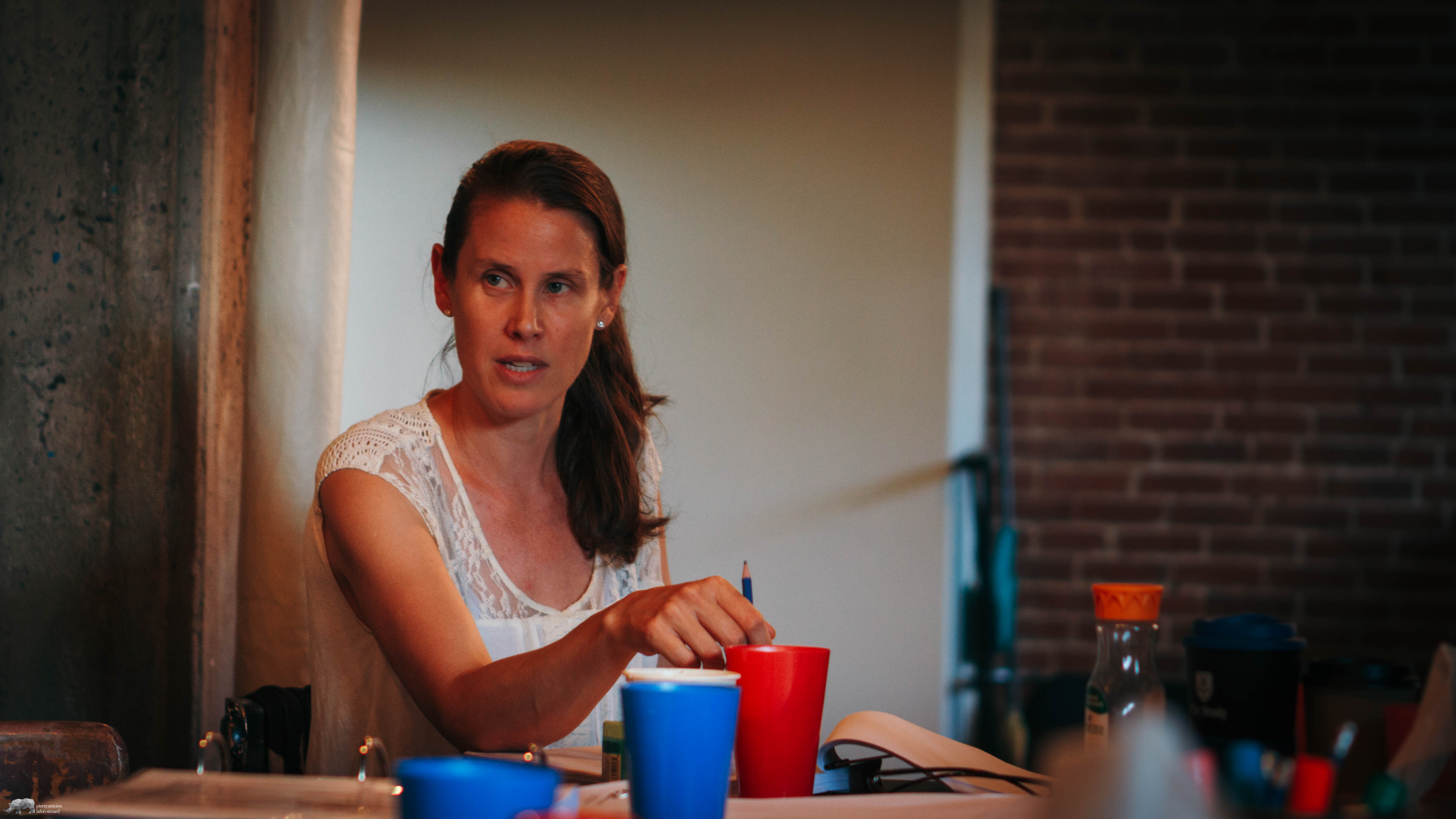
Annabel Soutar in rehearsal for The Watershed

Unless your house has been gutted by a flood, your ski business crippled by balmy temperatures into late December, or your power killed for months in the dead of winter by an ice storm, how likely are you to engage with the imminent threat of climate change and consider how your everyday actions may be contributing to environmental crisis?

In her latest documentary play for Crow’s Theatre, The Watershed, Annabel Soutar invites us to do so by reflecting back to us the daily life of her own well-meaning, deeply recognizable family. While acknowledging the extreme pressures to which the modern family is subjected in a capitalist society, Annabel highlights her family’s complicity in our fossil-fuel based economy, and the hypocrisy people of all generations inevitably encounter when the unsustainable pace of their lives constrains them to make choices that are unsustainable for the environment.

Annabel exposes her family and herself as a means to inspire us to examine our own actions more closely, employing to great effect the humour and pathos of the theatrical medium to render the daily permutations of what is often an abstract concept – “climate change” – very immediate for the audience.

A byproduct of inserting herself as the central character in The Watershed is that Annabel is totally transparent with her artistic process. The documentary theatre maker’s quest to create a balanced portrait of the polarization of environment and economy constitutes the action of the play. How she undertakes to address climate change through her practice becomes the structural exoskeleton of the play we end up watching.

We learn that Annabel’s modus operandi is to represent a multiplicity of divergent perspectives on her subject. In a Skype call with fresh-water scientist cum activist Diane Orihel, Annabel explains:

“I go out with a tape recorder and I start interviewing people and I actually use that material verbatim on the stage… I don’t seek to represent any one voice or message about the conflict. I try and present a kind of 360-degree portrait, which is never perfectly neutral or objective but I tend to listen to all sides of the story and the drama is created through the competing voices that are trying to influence my version of what I perceive to be the truth.”

However, as Annabel’s inquiry into water transmutes into an exposé of the deadlock we’ve reached between economic growth and environmental stewardship, it becomes clear that representing a range of viewpoints on this subject is going to be difficult, if not impossible.

Both Annabel the writer and Annabel the character grapple with the devastating realization that whereas not all that long ago environmentalism was a bipartisan value, it has now become a divisive, even dirty word, in some circles. In an email to The Watershed collaborator and director, Chris Abraham, upon her return from a road trip to the oil sands, Annabel concludes:

“…what it takes for society to confront environmental collapse [is] we have to be capable of communicating with each other. Our future depends on it, and today we are woefully incapable of abandoning self-interest to work together as a group. […] In this environment, communication is no longer defined as a process of creating understanding between people, it is a power game people learn to control for their own benefit.”

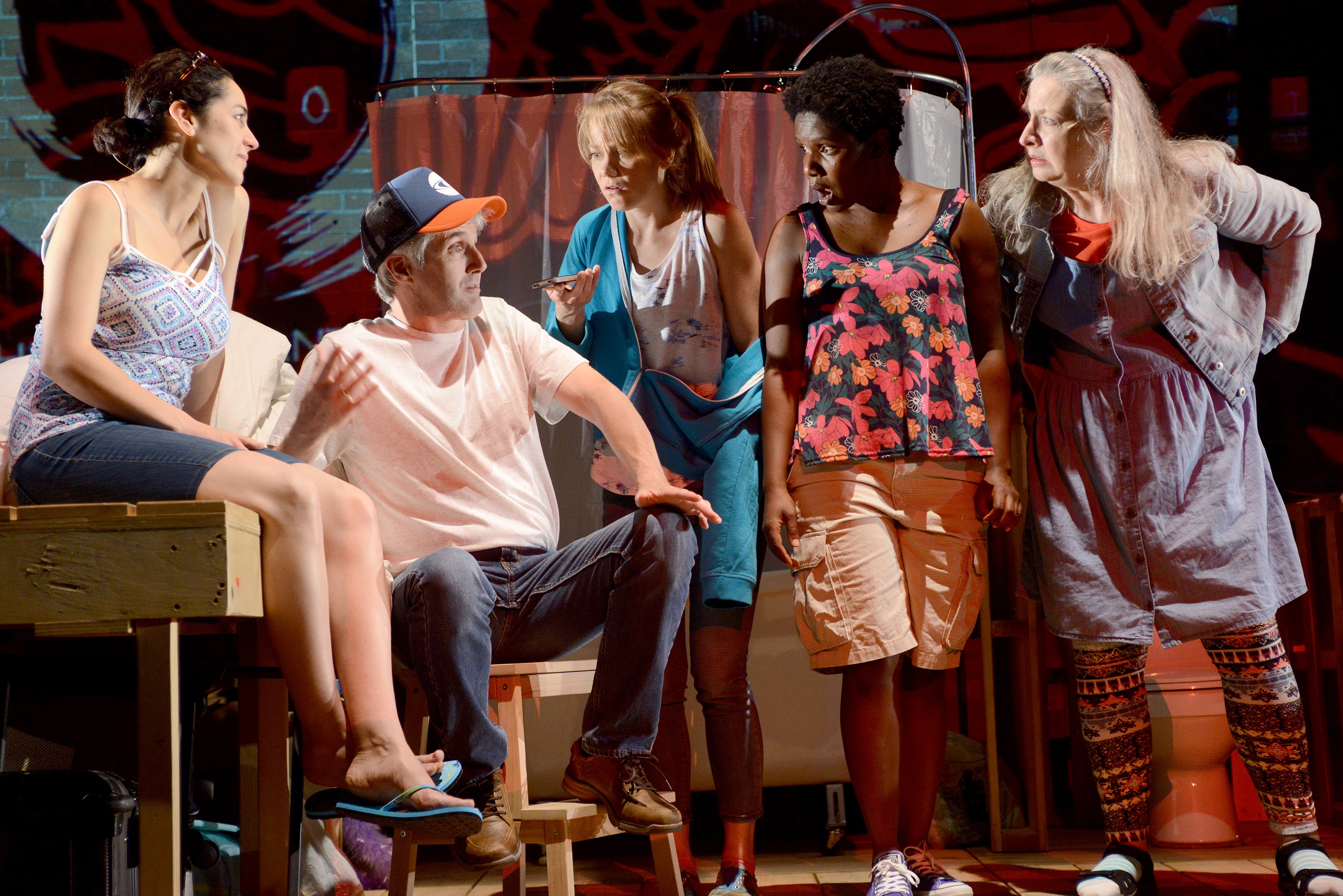
A scene from The Watershed

The position of economically-motivated Conservatives remains more elusive to Annabel, who finds herself often having to rely on statements by public figures (like Joe Oliver, Stephen Harper, and Greg Rickford), rather than having access to one-on-one interviews, to shed light on the thinking behind what appears to be an anti-science, anti-environment, pro-oil agenda.

Ultimately, The Watershed succeeds in giving us the balanced view Annabel values by empathetically representing the perspectives of characters, like the oil sands worker interviewed at a sushi restaurant in Fort McMurray, the oil sands executive who alludes to his industry’s strained efforts to work with scientists, and most significantly, her father, an avowed Conservative, a celebrated patron of environmental causes, and perhaps the person whom Annabel respects most in the world.

Having actors embody and empathize with the multiple perspectives she has gathered on the topic is a very deliberate way in which Annabel copes with climate change in her practice. As she puts it, “when we go to the theatre and see an actor assume multiple roles and defend multiple, sometimes opposing, points of view, we’re witnessing an individual stand up for other individuals and accept to see the world from different perspectives.”

What actors are called to do here (as in any other play) is inhabit and render thoughts and motivations which may be foreign and even objectionable to them personally with enough detail, conviction, and dignity that someone in the audience encountering these thoughts and motivations may be able to comprehend them. The added challenge in The Watershed is that many characters are public figures about whom audiences may already have very strong opinions. So our responsibility as storytellers is to represent their perspectives with ever more humanity, depth, and delicacy.

The effort to do so is proof of our capacity to overcome the essential problem around climate change diagnosed in the making of The Watershed. It is proof of our ability to see the world from different perspectives, to try to understand rather than deepen ideological fissures, to triumph over the breakdown in communication that has defined our socio-political landscape of late.

In a world where news feeds are increasingly self-curated, and the wormhole of the internet enables us to pursue ideas and opinions that reinforce and never challenge our beliefs, the theatre remains a forum to expose people to a variety of in-depth perspectives. People who align with Annabel’s father’s thinking will find ideas and rhetoric within the play to support their position, just as people who are more in line with Maude Barlow’s bent will also find their worldview reflected. But each will hear the other’s perspective, and it will be unpacked with significantly more detail than a pre-digested sound bite.

The communal nature of theatre also creates the opening to reach out to the sentient being sitting next to you for the last three hours to ask why he or she scoffed at the thing that tugged most at your heart strings. This is not possible when we watch things alone in front of our screens. We’ve just seen Annabel and her father do it – reach out to each other across an ideological chasm – because turning a blind eye until we are struck with flood or drought or apocalyptic downpour isn’t cutting it anymore. Ultimately, that is the legacy of the play, and the three generations at the heart of the play: while there may never be an easy answer, it is our duty, as stewards of all that we have been given, to at least entertain the opposing view and engage in the conversation.